
Painter Sparks Conversation | Art called ‘The Hindenburg’ in Online Forums
Edited By
Fatima Khan
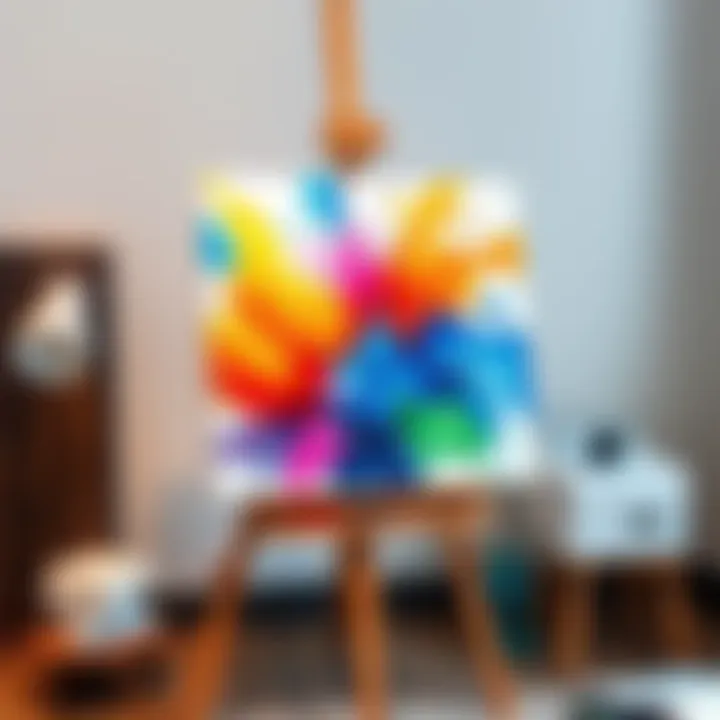
A recent post featuring a watercolor painting has caught the attention of online communities. The piece, measuring 76x56 cm, prompted a range of reactions, from humor to praise. Some commenters even suggested the title ‘The Hindenburg’ in jest.
The significance of this artwork lies in its ability to spark dialogue among people. Comments reflect varying sentiments, with one user acknowledging it as a genuine piece of art, stating, "Apparently not AI generated. Kudos to you OP! Great work of art." Such feedback can be a driving force for emerging artists looking to share their work online.
Mixed Reactions Fuel Discussion
Interest in the painting led to a lively discussion about the nature of art in the digital age. Many users express admiration for original work, contrasting it with AI-generated pieces. Humor also plays a role, as seen in the suggestion of the painting’s playful title.
"You can call it ‘The Hindenburg’ lol," a user remarked, hinting at the complex relationship between art and modern commentary.
Sentiment Patterns Emerge
The comments clearly illustrate a blend of positivity and humor:
Positive reinforcement: Users praised the quality and originality of the artwork.
Humorous commentary: Light-hearted jabs regarding the title engaged others.
Authenticity debate: Assessing the value of human-made versus AI artwork featured prominently.
Key Insights
🎨 Genuine praise: Many users celebrate the effort behind the painting.
😂 Humor involved: Titles and comments reflect playful banter.
🔍 Art vs. AI: Ongoing discussions highlight concerns about originality in digital art.
Such engagement showcases the dynamic landscape of art appreciation today. As people continue to navigate the blurred lines of creativity and technology, the takeaways from this instance provide a glimpse into broader cultural conversations.
Future Art Trajectories
As the dialogue around traditional versus digital art continues, there’s a strong chance that artists will increasingly embrace unique styles that intertwine human creativity with technology. Experts estimate around 60% of emerging artists may experiment with AI elements in their work, gaining traction among online forums. This shift could spark fresh trends, with platforms adjusted to celebrate hybrid art forms, allowing for dynamic expression while maintaining individual authenticity. The ongoing discussions about originality are likely to drive more people to seek clarity on what defines art in a tech-driven world.
Historical Echoes in Digital Spaces
Consider the introduction of photography in the 19th century; it stirred similar debates about authenticity in art. At that time, some critics argued that photography would undermine traditional painting but ultimately created a new canvas for creativity. Just as painters adapted to include more expressive techniques and styles as photography progressed, today’s artists navigating the digital sphere may find ways to incorporate AI without losing their unique voices. This reflects a continuous evolution in the art world, showing that creativity can flourish even amidst uncertainty.