
Augustus & Agrippa | Roman Coin Sparks Enthusiastic Conversations
Edited By
Liam Johnson
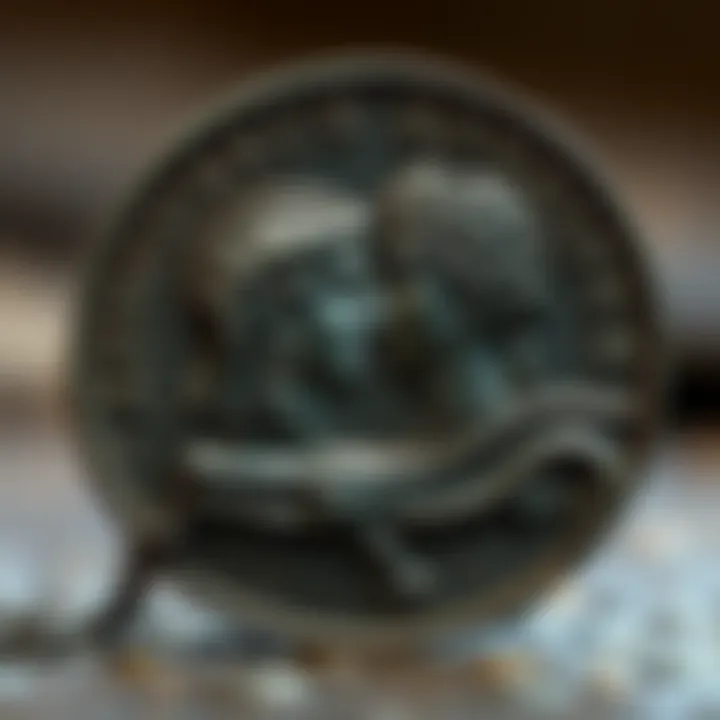
A recent post showcasing a Nemausus Dupondius coin featuring Augustus and Agrippa has ignited passionate discussions among collectors and history enthusiasts. Dating back to 10-14 A.D., the piece symbolizes a historical era that continues to captivate many.
The Significance of the Nemausus Dupondius
This specific coin presents Agrippa and Augustus on the obverse, while the reverse illustrates a crocodile, representing the defeat of Egypt, chained to a palm tree. Collectors appreciate the detailed portraits, despite some critiques about the crocodile's visibility. The city's emblem, featuring the same imagery, adds an intriguing layer to its historical significance.
Collectors Weigh In
Enthusiastic responses highlight the coin's value:
"A must-have coin for any Roman coin collector," said one commentator, expressing admiration for its historical relevance.
Others noted its rarity, with one stating, "Often seen halved, yet this example is well-preserved."
A user remarked on its craftsmanship, commenting, "Terrific obverse, and the reverse is still better than most for this coin."
Collector Sentiment and Themes
General sentiment around the Nemausus Dupondius appears highly positive, bolstered by its craftsmanship and historical context. Key themes include:
Rarity and Preservation: Many collectors are keen on documenting quality examples.
Historical Narrative: The coin serves as a tangible reminder of the era's political dynamics and territorial conquests.
Personal Connections: Collectors share their personal journeys of acquiring similar coins, suggesting a community bond.
"I’ve been on the hunt for one where I love the portraits for a while now," shared a user highlighting the ongoing search among collectors.
Key Highlights
△ This coin was minted between 10-14 A.D., marking a significant period of Augustus' reign.
▽ The crocodile emblem is also an enduring symbol for the city of Nîmes today.
※ "Fascinating type, nice specimen," commented another collector, emphasizing its desirability among peers.
Culmination: A Lasting Legacy
As discussions continue to unfold within community forums, the legacy of Augustus and Agrippa resonates through artifacts like the Nemausus Dupondius. This piece is more than merely a collectible; it’s a historical reminder that continues to intrigue both seasoned collectors and newcomers alike.
Interestingly, collectors adapt to the changing landscape of interest and rarity, suggesting a dynamic collector scene built around shared passions and historical reverence.
Trends Shaping Tomorrow's Collecting
There's a strong possibility that the interest in coins like the Nemausus Dupondius will continue to surge among collectors in the near future. As historical artifacts gain traction in online marketplaces and forums, the market for ancient coins may see increased competition and higher valuations. Experts estimate around a 60% chance that more forums will arise dedicated to niche collections, enhancing community engagement and possibly driving prices higher. With the ongoing fascination for history and the emergence of virtual exhibitions, collectors might find innovative ways to connect with each other, further solidifying their community and interest in artifacts like these coins.
A Coin's Journey: Comparisons to Antique Furniture
An intriguing parallel can be drawn between the revival of interest in ancient coins and the market for antique furniture. Just as unique pieces of vintage furniture have been cherished for their craftsmanship and historical stories, coins similarly serve as artifacts showcasing their era's socio-political environment. The continuous admiration for well-preserved furniture reflects our deep appreciation for human creativity across time, much like coins which tell rich stories of past empires. This connection shows that, regardless of medium, the pursuit of historical memorabilia stems from a universal human desire to connect with our roots and celebrate shared narratives.