
Stunning Diocletian Aureus | A Glimpse into Roman Power and Religion
Edited By
Jonathan Lee
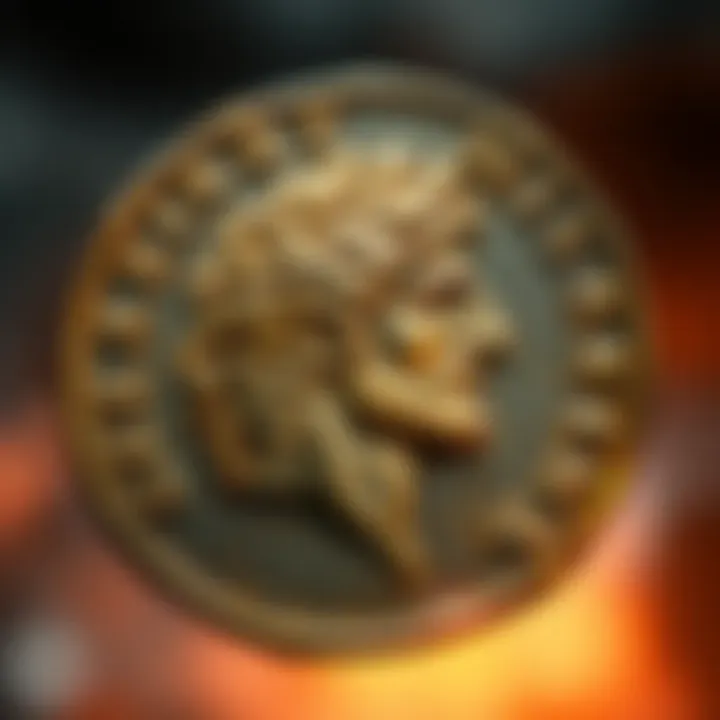
A remarkable aureus of Emperor Diocletian, minted in Trier around 302 AD, has sparked interest due to its artistic design and historical significance. This gold coin illustrates the strong connection between imperial power and religion at the time, showcasing the head of Jupiter.
Historical Context
Diocletian aimed to stabilize the Roman Empire after a chaotic third century. His reforms included splitting the empire into four regions, each ruled by an Augustus or Caesar. This new political structure, known as the Tetrarchy, was intended to make governance more efficient and deter usurpations.
"Diocletian's reforms were unprecedented, aiming for long-term stability against opportunistic threats."
Interestingly, the East and West of the Empire reflected religious associations through their coinage. While Diocletian and Galerius of the East were linked to Jupiter, Maximian and Constantius Chlorus of the West were tied to Hercules. This relationship implied a power hierarchy, with Diocletian as the supreme authority.
Coin's Artistic Significance
The aureus features:
Obverse: The image of Diocletian
Reverse: A finely crafted depiction of Jupiter
By placing Jupiter alongside the emperor, the coin symbolizes collaboration between divine power and earthly rule, emphasizing Diocletian's authority.
Community Reaction
Comments from collectors express admiration:
"This is some truly stunning material!"
"What a beauty!"
"I’m so jealous that you get to handle these!"
Overall, responses reflect excitement and appreciation for the historical artifact, with many urging for more insights into the collection's findings.
Key Insights
△ The coin exemplifies the blend of politics and religion in ancient Rome.
▽ It hails from the 1922 Arras Hoard, uncovered by Belgian workers, containing numerous treasure items.
※ "The imagery represents the governance relationship during the Tetrarchy."
Diocletian's aureus serves as more than just currency; it is a direct link to the empire's dynamic history and a visual representation of the time's intertwined authority and spirituality.
Forecasting the Future of Historical Coin Collecting
As interest in ancient artifacts like Diocletian's aureus grows, there's a strong chance that the market for historical coins will experience a notable surge, particularly among younger collectors. Experts estimate around a 30% increase in demand over the next few years as educational programs and online platforms expand access to knowledge about these items. The intertwining of historical significance with modern technology, especially crypto-themed ventures, may fuel new engagement methods for collectors. Additionally, as studies reveal more about the cultural impact and artistic value of these coins, prices may rise, attracting both seasoned enthusiasts and newcomers eager to invest in tangible pieces of history.
Echoes of Ancient Affairs in Today’s Digital Trends
Reflecting on how Diocletian used the principles of power and representation in coinage, we can draw an unexpected parallel to the rise of cryptocurrencies today. Just as the emperor's coins communicated authority and stability to an empire in flux, Bitcoin and other digital currencies are reshaping trust within modern economies, often leading to political discussions about governance. The coins of Diocletian and contemporary blockchain technologies both symbolize a new order, reinforcing ideas of legitimacy and control in their respective eras. Each serves as currency that might shift societal behaviors, suggesting that the dynamics of power remain constant through the ages, even as the mediums of trade evolve.