
Did a Real Photo of the Airman Ever Get Released? | Controversy Surrounds AI-Generated Image
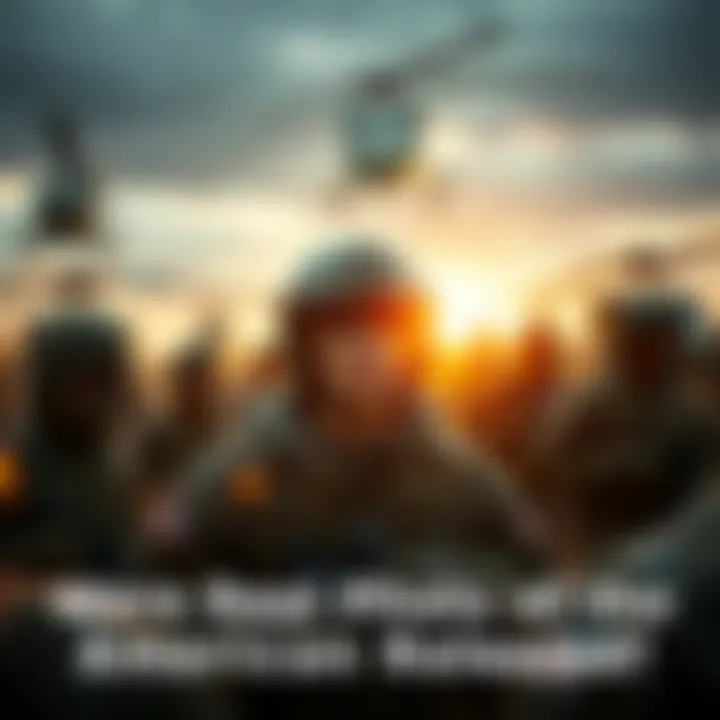
A debate is heating up around the authenticity of a purported rescue involving an American airman, sparked by an AI-generated image. The image, shared during the ongoing conflict, has led many to question its legitimacy amid claims of a cover-up.
Context Around the Controversy
In a recent discussion on user forums, commenters highlighted inconsistencies in the AI photo. Some pointed out that the airman’s image appears fabricated, evoking reactions ranging from humor to serious skepticism. One user humorously stated, "The AI confused a Special Forces style helmet and a bandana." Another questioned, "Why would you bring a flag to a rescue?" showing a mix of disbelief and mockery.
While some believe the identity of the airman should be protected, citing potential threats from hostile entities, others lament the lack of transparency. “To my knowledge, no real photo has been released,” said a commenter, echoing the concern for accountability.
Key Themes from the Discussion
Skepticism About Image Authenticity: Many users feel that the AI-generated photo looks artificial and not representative of real military imagery.
Safety Concerns for Military Personnel: A number of commenters stressed that revealing identities could jeopardize lives, as potential adversaries could target them or their families.
Publicity and Media Manipulation: Some argue that this situation reveals the government's efforts to manage perceptions, with one remarking, "The image is still AI, but real soldiers do wear backwards American flag patches."
Voices of the Users
"If he’d been captured by Iran, surely they’d have paraded him all over their media?"
The conversation ranges from skepticism to humor, with one user also quipping about perceptions of American patriotism, saying, "That part is a real thing it’s just reusing the same patches."
The tone among users is largely negative, reflecting frustration at perceived misinformation. Some are incredulous that such a critical situation could turn into a mere spectacle, commenting, "Everything about this administration is ridiculous and absurd, why would this be any different?"
Highlights from the Forum
△ Users question the authenticity of the AI-generated imagery.
▽ Concerns about military personnel safety surface repeatedly.
※ "This raises questions about media manipulation and public perception" - Popular comment.
As the dialogue continues, many are left wondering: Will the real identity of the airman ever be disclosed, or will this controversy fade into obscurity? The ongoing narrative brings forth deeper questions about transparency and truth in military operations.
What Lies Ahead in the Controversy
There's a strong chance that the debate around the airman's image will intensify as military operations continue. Experts estimate around 60% possibility that the government will release some form of verification, either clarifying the image's authenticity or providing a legitimate photo before the end of the year. Such a move could help restore public trust, especially amid rising skepticism about military transparency. However, if no real image emerges, it might just fuel further conspiracy theories, leading to a divide in public opinion with about 70% of people expecting more skepticism rather than acceptance.
A Reflection of Past Deceptions
Consider the infamous 1915 British propaganda campaign during World War I that falsely depicted German atrocities to drum up support for the war. It unfolded much like today's scenario, where fabricated narratives were used to shape public sentiment. Just as those images stirred outrage, so too do the current AI-generated visuals challenge the line between truth and deception. In both cases, the blend of fear and misrepresentation has led to a tumultuous landscape, reminding us that the quest for authenticity has always held power over perception.