
Surreal AI-Generated Art Raises Eyebrows | Users Reject Digital Creation
Edited By
Benjamin Turner
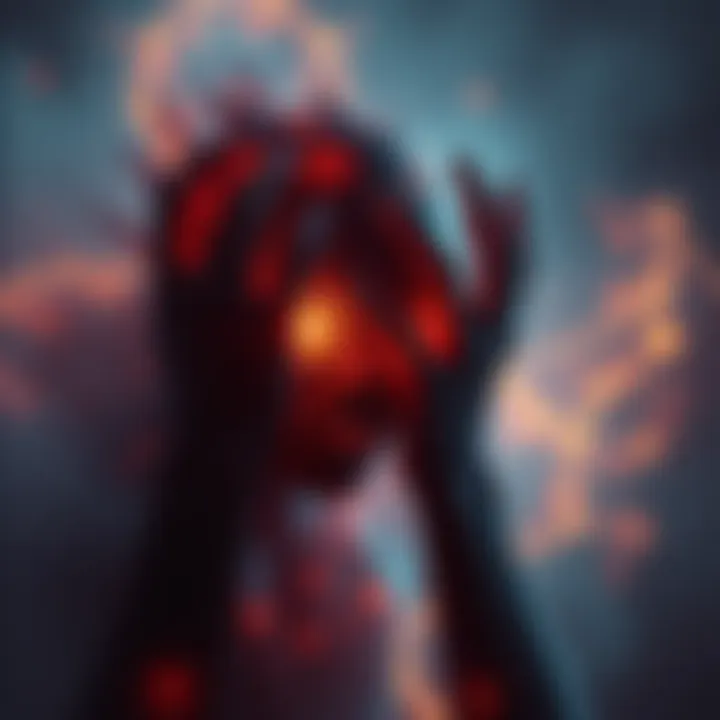
A recent post showcasing an unusual AI-generated figure has sparked significant backlash on user boards. Many viewers are not thrilled, with complaints pouring in about its artificial nature, highlighting a divide in opinions about digital creativity versus traditional art.
Controversy Ignites Online
The bizarre image features what appears to be a being with hands for a face, igniting a heated debate. Critics argue that it represents a decline in artistic integrity, pointing to the growing prevalence of AI-created content flooding forums.
Users Weigh In on AI Creation
One user bluntly stated, "Screams unedited AI by a 4-day-old account."
Another chimed in, "This bro just keeps posting AI trash. Give it up seriously."
A third suggested it "screams AI slop."
This sentiment reflects a larger disappointment among some communities, fearing that unique artistic voices might get drowned out in a sea of digital noise.
A Shift in Artistic Paradigms?
Curiously, this incident shines a spotlight on the ongoing discussion around the role of technology in art. Users are questioning whether AI can truly replicate the nuances of human creativity or if it's merely a tool creating surface-level imitations.
"What does it say to you?" – original post query sparks further conversation.
Key Observations
△ A significant number of comments reflect negative sentiment toward the validity of AI art.
▽ Critiques emphasize the need for authenticity in artistic expression.
※ "This isn’t right for art’s future" – one user’s comment encapsulates the wider concern.
Looking Ahead
As AI continues to evolve, the clash between traditional art forms and digital creations is set to intensify. With voices from various user boards sounding off, it’s clear that the conversation surrounding art and technology is far from over.
Will this latest controversy change the dialogue about the future of creativity? Only time will tell.
What’s Next for Digital Creativity?
There’s a strong chance that the debate over AI-generated art will escalate, with more artists and critics voicing their opinions across forums. Experts estimate that about 60% of discussions may center around the authenticity and originality of digital creations as they become more prevalent. This could lead to clearer guidelines on what constitutes artistic integrity, prompting artists to rethink their relationship with technology. Meanwhile, platforms may be pushed to develop systems that better distinguish between human and AI contributions, making the art landscape more robust and balanced.
Echoes of the Past: The Rise of Photography
Consider the arrival of photography in the 19th century; it faced fierce backlash from painters who felt threatened by this new medium. Artists worried that photography would diminish their craft, leading to a decline in traditional painting. Much like the current discourse around AI art, these early concerns about displacement caused artists to adapt and explore fresh styles, ultimately enriching the art world. Just as photography redefined the boundaries of art, AI is likely to transform our creative landscapes in unexpected ways.