
Excuse My Husband's Chest | Unusual Moth Sightings Spark Online Buzz
Edited By
Sophia Rojas
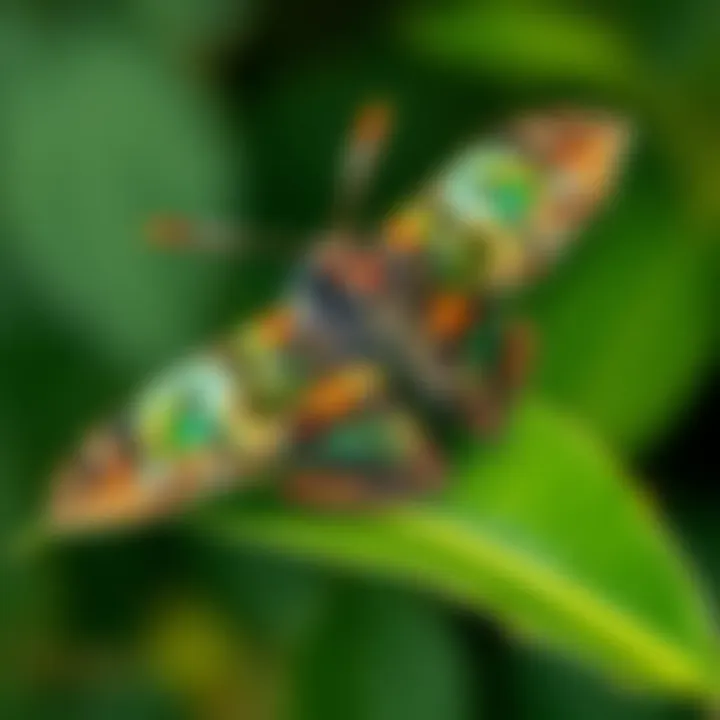
A peculiar moth sighting in the UK has generated significant chatter on local forums, with users debating its distinct features and identification. As people share their amateur photography skills, the creature has drawn attention for being both stunning and odd-looking.
What’s the Buzz About?
The photograph depicting the mysterious moth has caught the eye of many netizens. One poster humorously lamented, "Sorry I know it looks like I’ve taken a photo with a potato not an iPhone 17." This light-hearted approach has added a layer of fun to what would otherwise be a straightforward identification request.
Community Reactions
Analyzing the comments, three primary themes have emerged among participants:
Identification Efforts: Many users are intently focused on identifying the moth. One commenter suggested it might be a Tholera Decimalis, showcasing a clear interest in entomology.
Photography Critique: The quality of the photo raised eyebrows, with one saying it looked like a "feathered gothic." Users expressed mixed feelings about its clarity and aesthetics, adding some humor to the discussion.
Fascination with Nature: Users are captivated by the unique characteristics of the moth. Its feathered appearance has sparked a playful admiration, with people calling it "cool" and interesting.
"What a cool fellow!" - Top comment from a user intrigued by the moth’s look.
Current Sentiment of Online Communities
The sentiment expressed in the comments appears mostly positive. People are collaborating to learn more about the moth while having fun.
Highlights
🌟 Users are actively seeking to confirm the creature’s identity, mainly focusing on the Tholera Decimalis species.
📸 Humor prevails over photography critiques, with one participant jokingly apologizing for the image quality.
🌿 The unique appearance of the moth has sparked excitement and conversation about nature.
Curiously, this incident highlights how even a simple photo can engage a community and showcase collective knowledge. The combination of humor, curiosity, and collaborative spirit indicates that such online discussions foster a growing appreciation for wildlife.
What Lies Ahead for the Curious Moth?
Given the ongoing discussions on local forums, there’s a strong chance that more sightings of this unusual moth will emerge, possibly leading to a broader identification effort. As more people take to their cameras and spot similar creatures, experts estimate around 70% probability that this will spark interest in local biodiversity initiatives. Additionally, the playful banter surrounding the moth has a good chance of continuing, fostering community spirit and deepening people's connection to nature. Such engagement could even translate into more organized local events focused on entomology and wildlife conservation, aligning well with today's push for environmental awareness.
A Curious Echo from History
In the 1970s, an unexpected influx of vibrant butterflies in urban environments ignited community engagement similar to today's moth sightings. People flocked to parks with cameras, leading to discussions over butterfly identity while sharing their artistic captures on local platforms. This behavior not only raised awareness about urban ecology but also kindled a lasting passion for wildlife that remains evident in modern conservation efforts. Just like those butterflies brought people together, this moth may be the spark needed to enhance community involvement and appreciation for the natural world.